Tirana est une petite capitale et se parcourt presque entièrement à pied, ce qui change la raison même de choisir un quartier. Dans une grande ville, on choisit un secteur pour éviter un long trajet. Ici, vous êtes rarement à plus de vingt-cinq minutes de marche de la place Skanderbeg : la décision porte donc sur le bruit, le caractère du lieu et ce qui se passe sous votre fenêtre à une heure du matin.
C'est ce dernier point qui surprend le plus. À Tirana, l'écart entre deux appartements distants de quatre rues peut être l'écart entre le silence et une terrasse de bar ouverte jusqu'à trois heures.
Blloku, pour être au milieu de tout
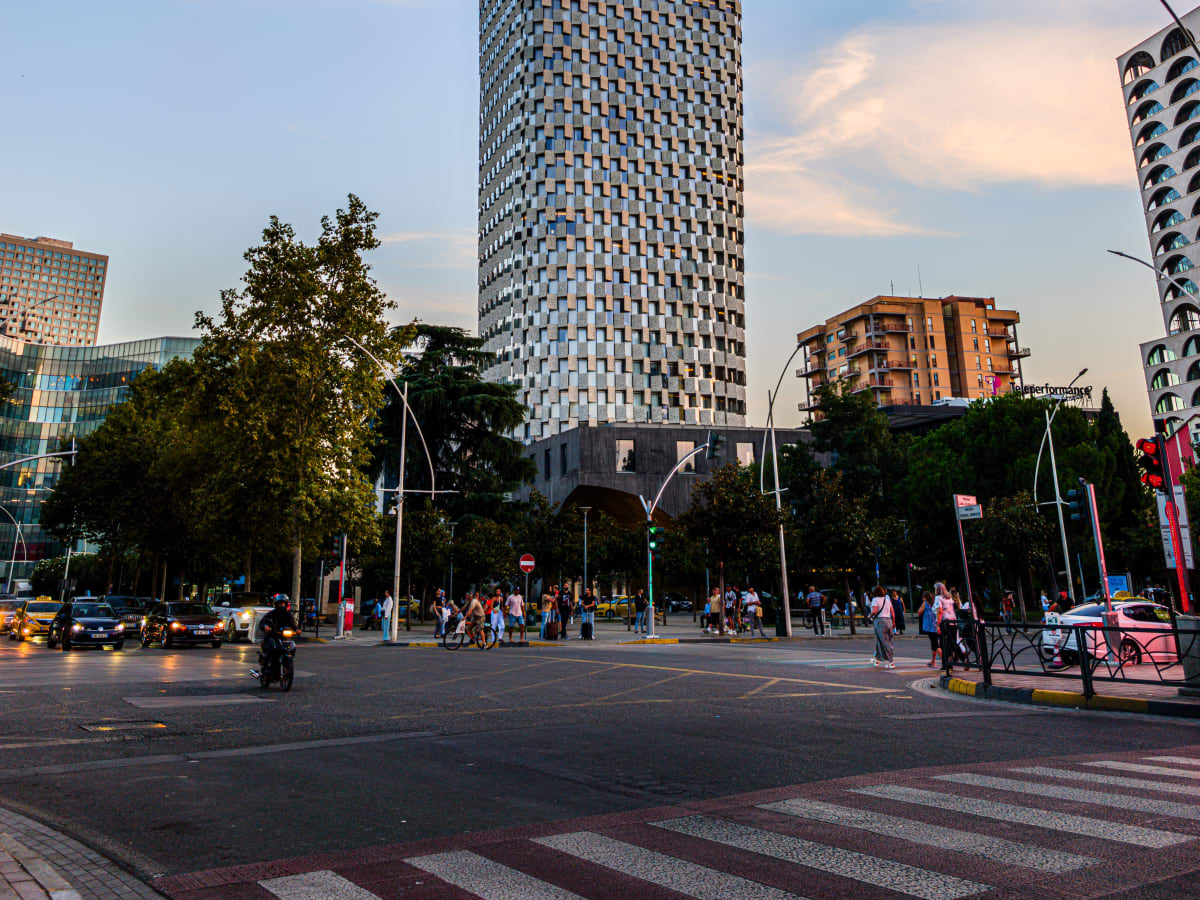
Le Blloku est la première réponse évidente et c'est la bonne pour beaucoup de visiteurs. C'est une grille de rues basses au sud de la Lana, traversée en dix minutes à pied, avec plus de restaurants, de bars et de cafés que n'importe quelle surface comparable dans le pays.
L'histoire vaut d'être connue parce qu'elle explique cette densité. Jusqu'en 1991 le quartier était fermé : des postes de contrôle en gardaient les entrées, la direction politique y habitait, et les Albanais ordinaires ne pouvaient pas le traverser. Quand les barrières sont tombées, il s'est rempli de commerces privés plus vite que n'importe quel autre secteur, et il n'a plus cessé. Le mémorial Postbllok, à l'entrée nord, marque l'ancien poste de contrôle avec un bunker de béton, un pan du mur de Berlin et un pilier du camp de travail de Spac.
Logez ici si vous voulez sortir de chez vous et tomber sur le dîner, si un quartier animé le soir vous plaît, et si vous restez deux ou trois nuits plutôt que deux semaines.
Réfléchissez à deux fois si vous avez le sommeil léger. Le Blloku est la partie la plus bruyante de Tirana le week-end. Une chambre juste au-dessus d'une terrasse n'a rien à voir avec une chambre une rue plus loin, et les photos de l'annonce ne vous diront pas laquelle vous avez. Posez la question.
Le centre, pour une première visite
Le centre-ville désigne la place Skanderbeg et le boulevard qui descend vers le sud, et c'est la base la plus sensée pour un premier séjour parce que presque tout ce que vous êtes venu voir est à distance de marche.
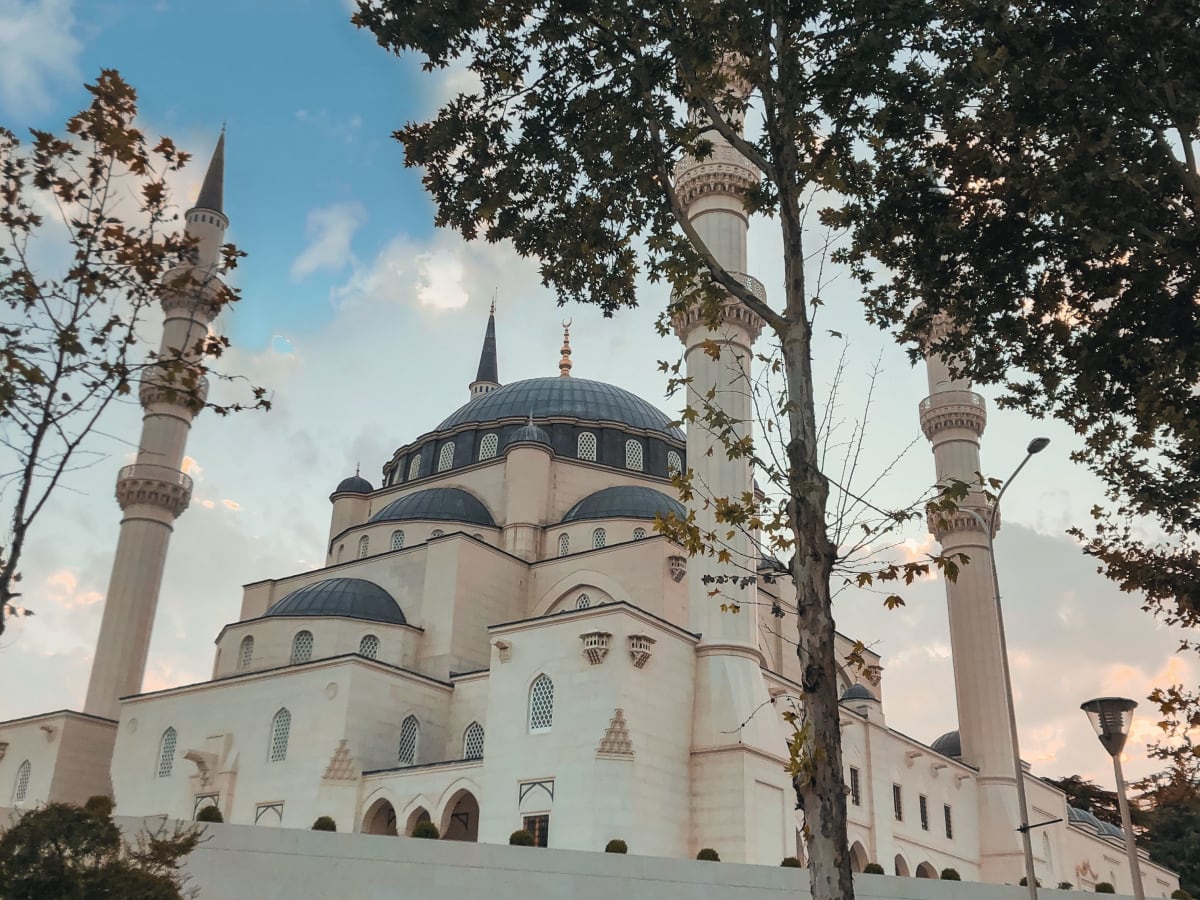
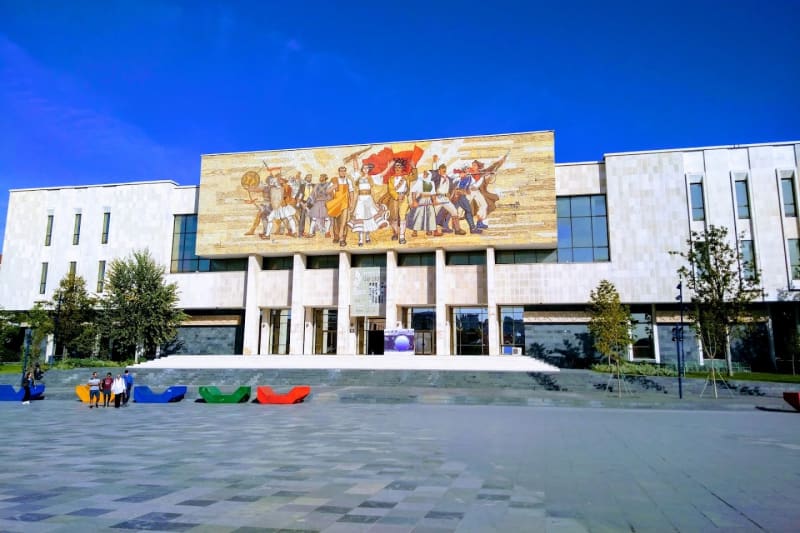
La place elle-même est un vaste espace piéton, repavé avec des pierres venues de chaque région du pays, bordé par le Musée historique national et sa façade en mosaïque, la mosquée Et'hem Bey, la tour de l'horloge et l'opéra. Plus au sud sur le boulevard se trouvent la Pyramide, reconstruite et rouverte en centre culturel après des décennies d'abandon, et les ministères dans leurs blocs rationalistes italiens. Bunk'Art 2 et la Maison aux feuilles, les deux musées qui traitent directement de l'État de surveillance, sont à quelques minutes de la place.
Logez ici si c'est votre première fois à Tirana, si vous voulez les musées à votre porte et si vous préférez échanger un peu d'atmosphère contre de la commodité. C'est plus calme la nuit que le Blloku tout en restant central.
Nos hôtels se concentrent dans ce secteur, dont plusieurs reconversions boutique.
Pazari i Ri, pour la table
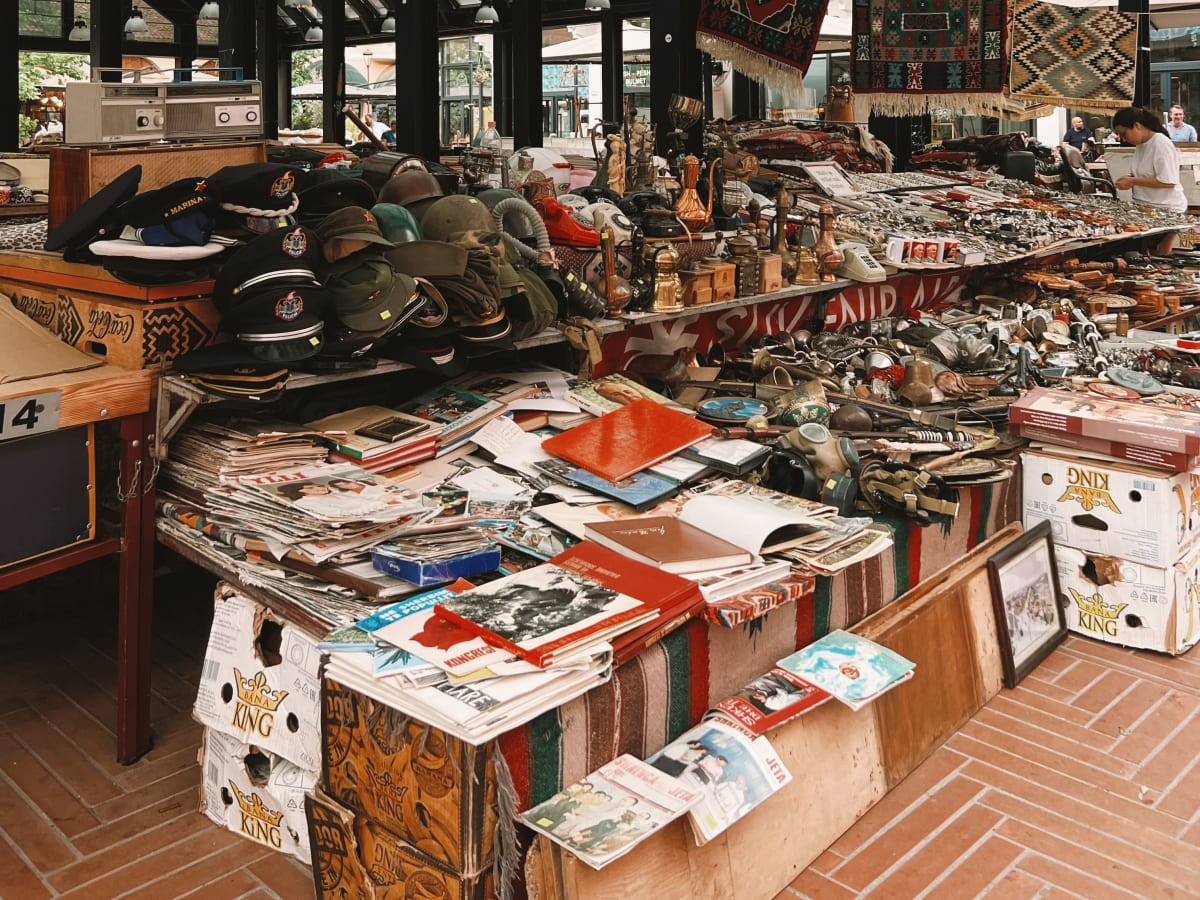
Pazari i Ri, le Nouveau Bazar, se trouve au nord-est de la place, à dix minutes à pied. Le marché a été reconstruit au milieu de la décennie passée et le résultat tient : une halle couverte de produits frais au centre, entourée de comptoirs de grillades, de boulangeries à byrek et des restaurants de poisson de la ville.
C'est ici qu'il faut loger si la cuisine est l'objet du voyage. Le quartier s'anime le matin comme s'anime un marché qui travaille, et non comme s'anime une rue de bars la nuit : le profil sonore n'a donc rien à voir avec celui du Blloku. Il est devenu le soir une véritable alternative au centre, et il reste moins cher.
Logez ici si vous comptez manger dehors deux fois par jour, si vous préférez être réveillé par un marché que par une boîte de nuit, et si vous voulez un endroit qui ressemble encore à la ville plutôt qu'à un quartier de visiteurs.
Plus calme et moins cher
Deux quartiers méritent d'être connus si vous restez plus de quelques nuits, ou simplement si vous voulez payer moins.
Tirana e Re s'étend à l'ouest du centre le long de la Rruga e Kavajes et de la Rruga Myslym Shyri. C'est résidentiel, on y trouve les commerces ordinaires et les épiceries de coin qu'ont les quartiers d'habitation, et c'est à quinze ou vingt minutes de marche du milieu. Les prix sont plus bas et les rues sont silencieuses la nuit.
Komuna e Parisit se trouve au sud-ouest du Blloku et possède une belle série de restaurants et de cafés qui servent ceux qui y habitent, pas les visiteurs. C'est précisément son intérêt : vous avez la table sans le bruit du week-end, et le Blloku est à dix minutes à pied quand vous le voulez.
Les deux offrent un meilleur rapport qualité prix que le centre et conviennent tous deux à un séjour d'une semaine ou plus, quand la nouveauté de dormir au-dessus d'un bar est passée.
Le Grand Parc, pour l'espace
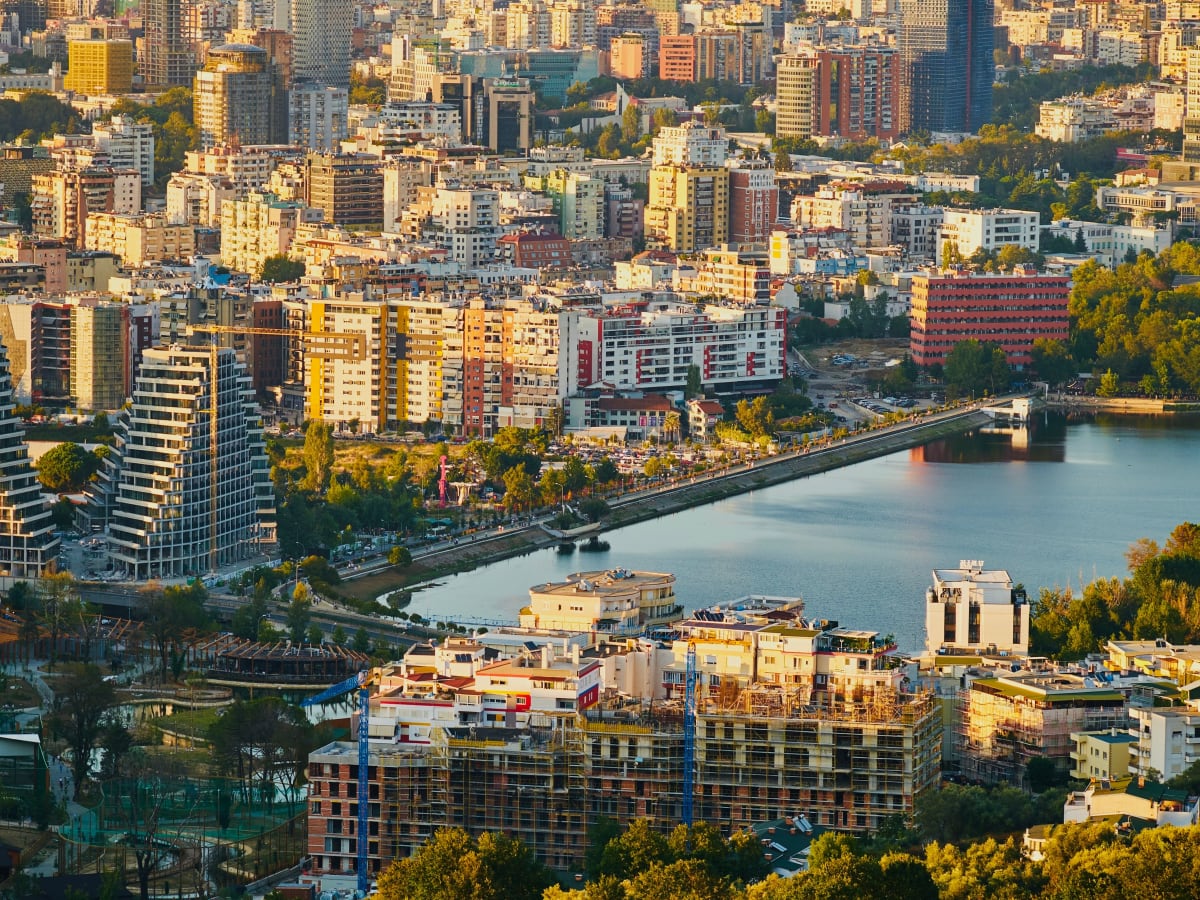
Le Grand Parc enveloppe un lac artificiel à l'extrémité sud du boulevard, avec un chemin de ceinture, le jardin botanique et des cafés au bord de l'eau. Loger à sa lisière est ce que Tirana propose de plus proche d'une option résidentielle calme qui reste vraiment centrale, et c'est un bon choix si vous courez, ou si vous voyagez avec des enfants qui ont besoin d'un dehors qui ne soit pas un trottoir.
Comptez environ vingt-cinq minutes à pied jusqu'à la place Skanderbeg, ou un taxi très bon marché.
Visites et excursions à Tirana
Visites à pied, tours gastronomiques, excursions à la journée et billets coupe-file à Tirana et dans tout le pays, via GetYourGuide.
Balade guidée express dans le centre
Une courte introduction à pied qui prend la rue piétonne, la cathédrale catholique, la mosquée Namazgah et le monument de l'Amitié.
Vérifier les disponibilités
Balade en petit groupe dans le vieux centre
Environ deux heures avec un guide local dans le cœur historique, tournées vers les récits et les conseils personnels plutôt qu'un texte appris.
Vérifier les disponibilités
Tour de ville avec le grand parc et le petit train
Les principaux monuments à pied, puis le petit train à travers le grand parc et un moment au bord du lac artificiel au sud.
Vérifier les disponibilitésChoisir un type d'hébergement
Tirana compte beaucoup d'appartements et relativement peu de grands hôtels, ce qui tient à la façon dont la ville a grandi. Cela a des conséquences.
Les appartements sont l'option la plus répandue et souvent la plus avantageuse, en particulier à plus de deux ou pour plus de trois nuits. Vérifiez l'étage et la présence d'un ascenseur, car les immeubles de cinq étages sans ascenseur sont ici la norme. Nos appartements couvrent les adresses centrales.
Les hôtels se concentrent dans le centre et ses abords, et les intéressants ici sont les reconversions boutique plutôt que les chaînes internationales. Voyez nos hôtels.
Les auberges de jeunesse sont exceptionnellement bonnes à Tirana, et pas seulement pour les routards : plusieurs sont d'anciennes villas familiales avec des chambres privées à côté des dortoirs, et ce sont le moyen le plus simple de rencontrer du monde et d'obtenir des conseils à jour sur le nord. Nos auberges de jeunesse les recensent.
Le moment du séjour change ce que vous payez
Tirana n'a pas le pic estival marqué de la côte albanaise, et c'est l'un des avantages discrets d'installer sa base dans la capitale. Les prix bougent, mais moins, et il n'y a pas de mois où la ville se vide ou ferme.
Mai, juin, septembre et le début d'octobre sont la meilleure période. Les journées sont chaudes sans être punitives, la lumière est belle, et les excursions de ce guide deviennent un plaisir plutôt qu'une épreuve d'endurance. Les chambres coûtent plus qu'en hiver et moins qu'en plein été.
Juillet et août sont chauds à l'intérieur des terres et la ville se clairsème, les Albanais partant à la mer. Certains restaurants ferment quinze jours. Les chambres se trouvent et coûtent souvent moins cher qu'on ne l'imagine, la demande étant partie vers Durrës et le sud. Si vous supportez la chaleur et voulez les musées pour vous, l'échange est raisonnable.
De novembre à mars, c'est bon marché, doux selon les critères d'Europe du Nord, et plus humide. C'est la période où l'appartement prend tout son sens, parce que vous voudrez un endroit où passer une soirée avec plaisir.
Une chose vaut à toute saison : Tirana accueille des congrès et son parc hôtelier n'est pas énorme, le centre peut donc se remplir soudainement même en semaine ordinaire. Si vos dates sont fixes et que vous visez une adresse précise, réservez plus tôt que la taille de la ville ne le laisse penser.
Combien de temps rester
Deux nuits couvrent le centre, les musées et une soirée au Blloku. C'est assez pour dire que vous avez vu Tirana, et pas assez pour faire autre chose.
Quatre nuits est le chiffre que la plupart devraient viser. Elles donnent la ville correctement, plus deux excursions sans se presser, et elles justifient un appartement plutôt qu'une chambre d'hôtel.
Une semaine renverse le calcul. À cette durée, les quartiers calmes prennent plus de sens que le centre, cuisiner l'emporte sur deux repas dehors par jour, et Tirana devient une base pour le pays au lieu d'une destination en soi, ce qu'elle réussit vraiment le mieux.
Quelques points pratiques
La climatisation entre juin et septembre n'est pas un luxe. Tirana est à l'intérieur des terres, elle garde la chaleur, et un dernier étage sans climatisation en août est une erreur que l'on ne commet qu'une fois.
Renseignez-vous sur l'eau et l'électricité. Dans le centre, les deux sont fiables ; dans des immeubles plus anciens, elles peuvent l'être moins, et un hôte qui répond franchement vous dit quelque chose d'utile sur le bâtiment.
Vérifiez à quel étage vous êtes et si les fenêtres donnent sur la rue ou sur une cour. Au Blloku en particulier, ce seul détail décide de vos nuits.
Enfin, n'optimisez pas la situation à l'excès. C'est une ville où tout le centre se fait à pied et où un taxi d'un bout à l'autre coûte très peu. Calme, confortable et à quinze minutes l'emporte sur bruyant et central plus souvent qu'on ne le croit.