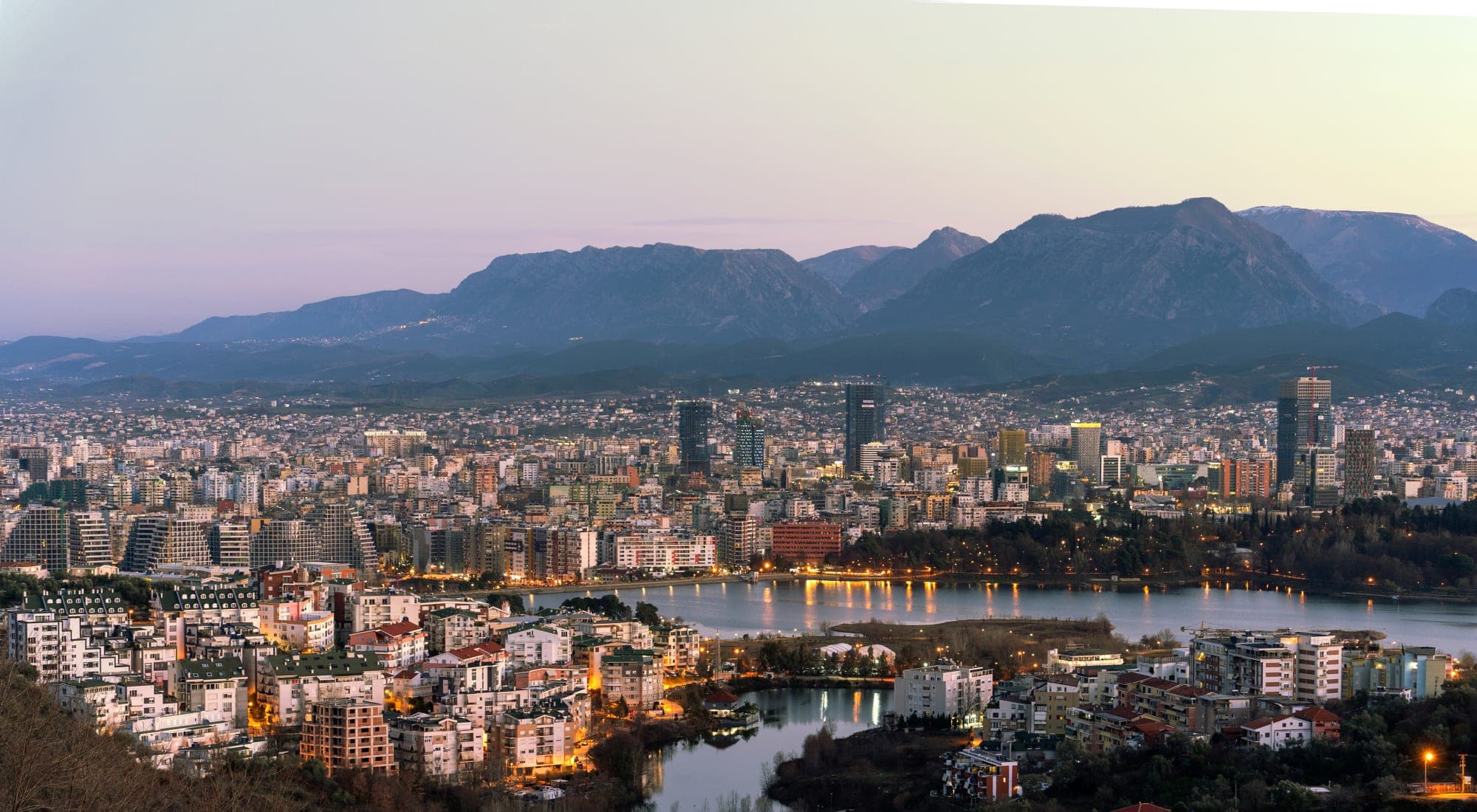
Discover Tirana
Restaurants, bars and places to stay in Tirana
City Guide
Discover Tirana
200+ places across Tirana. Restaurants, bars, hotels, museums and tours, in one independent guide.
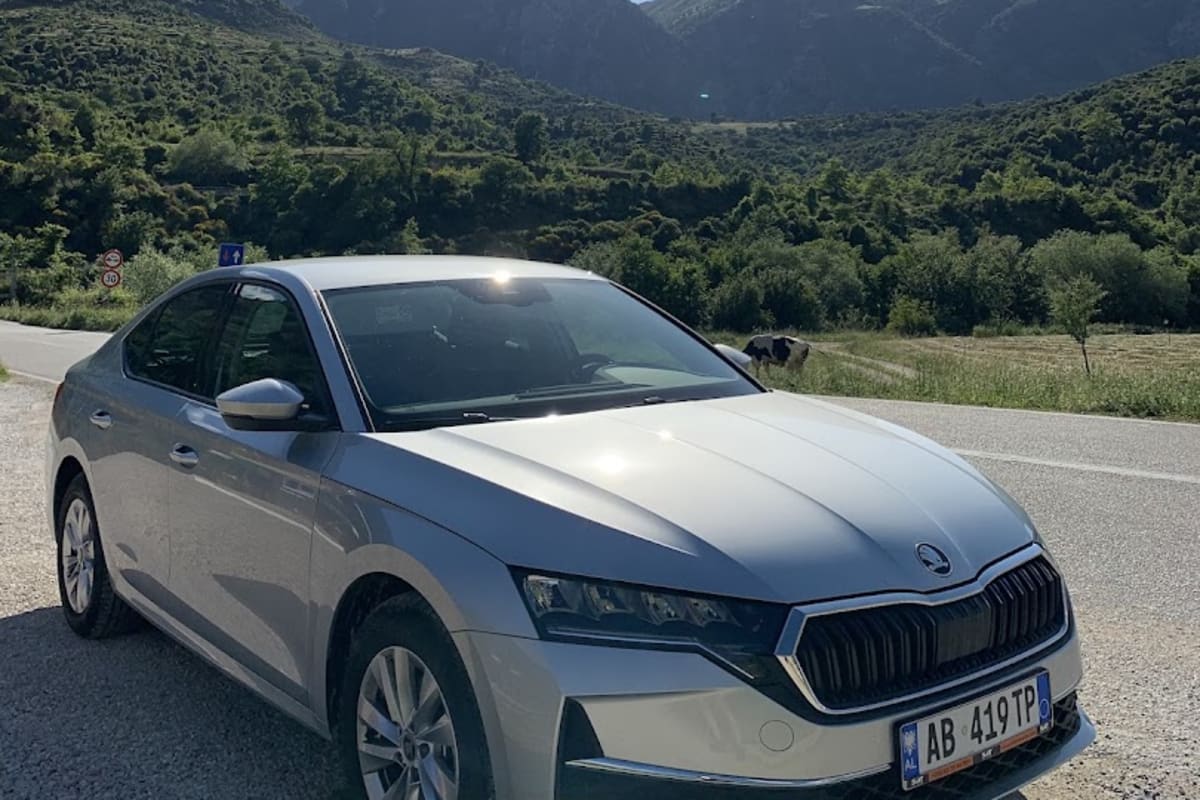
Car Rental
Hire a car and get out to Kruja, Berat and the coast
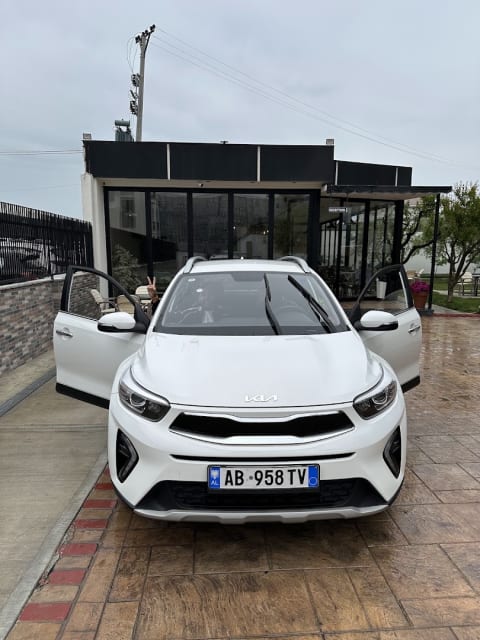
TIA Rental
Explains the licence rules for Albania in plain language before you book,
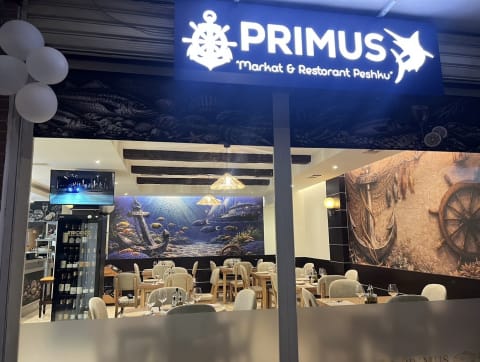
Primus Fish Tirana
Sits within a retail centre
Travel Tip
Carry Some Lek
The Albanian lek is a closed currency you cannot buy before arriving, and cash still matters here: markets, furgons, taxis and smaller kitchens often take nothing else. Exchange offices around the square beat the airport rate.
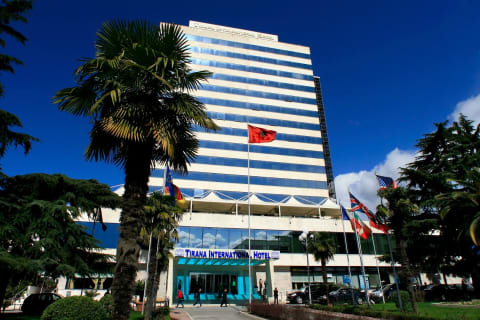
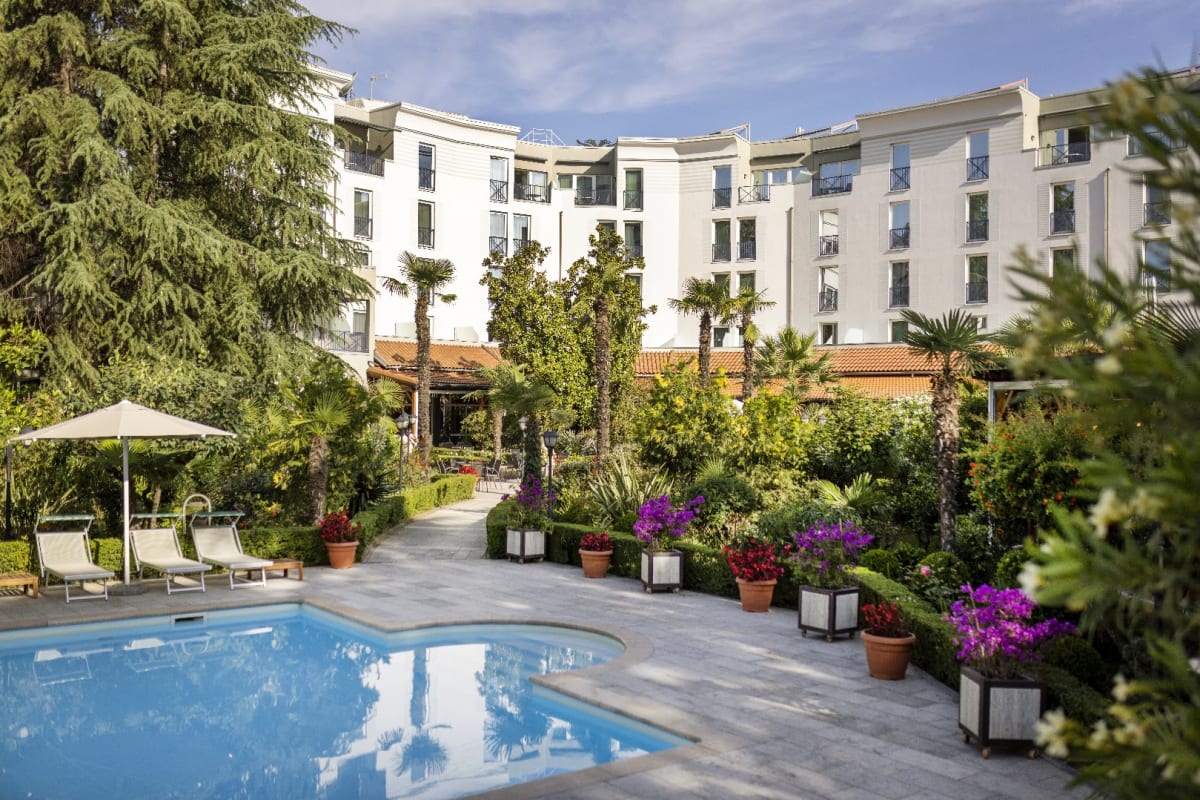
Tirana International Hotel & Conference Centre
The address is the square;
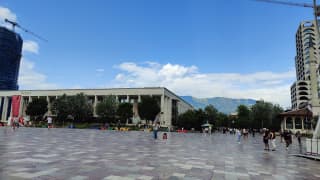

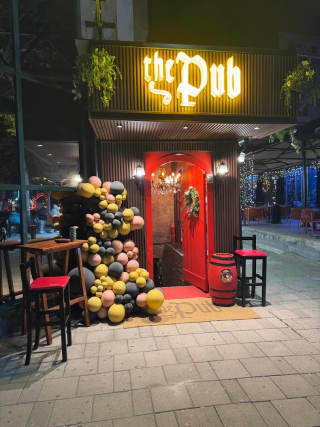
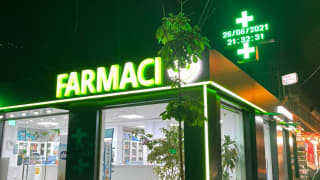
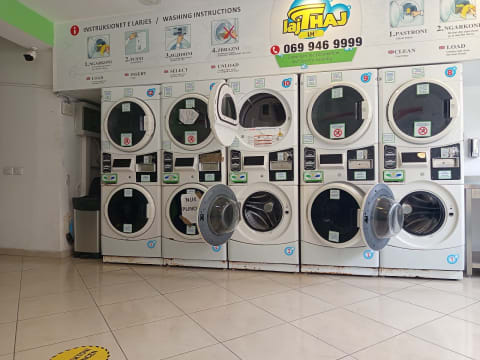
Laj Thaj Self-Service Laundry
Wash, dry, repeat, and back

Restaurants
Blloku dining rooms & Pazari i Ri grills
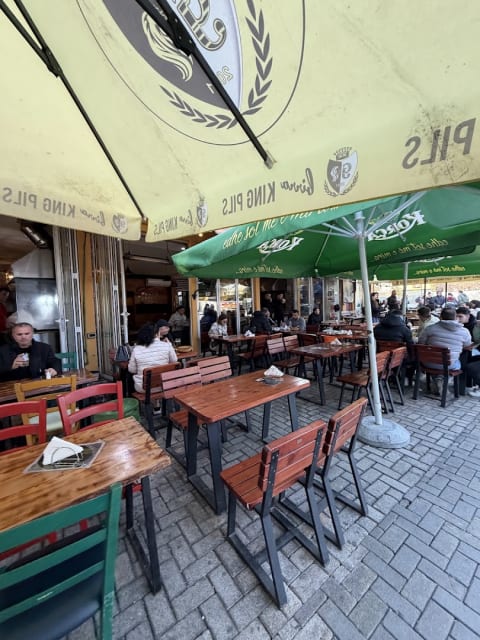
Kërnace Zgare Fatosi
Named for the small Korca
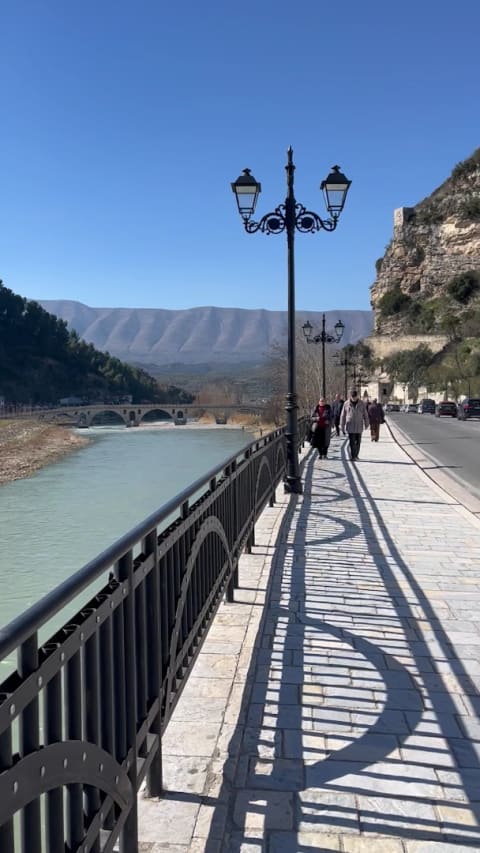
Tirana Airport Shuttle
Graded by vehicle size rather

Albania Explorer
Carries an international brand name
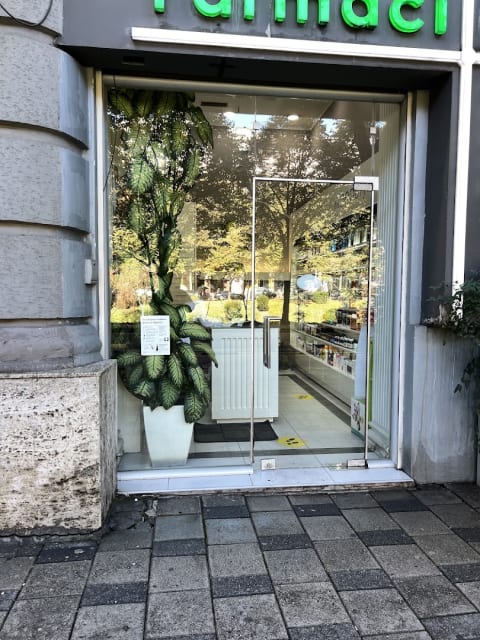
Farmacia Greke
The chemist to visit when
Accommodation
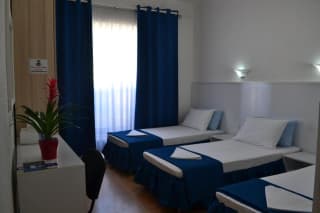
Central hotels, apartments & hostels
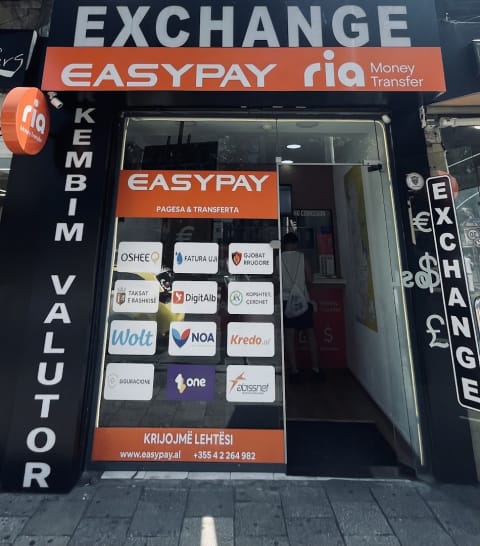
OSL Exchange
One window for lek, a

Hana Corner Café
Half retail experiment, half morning
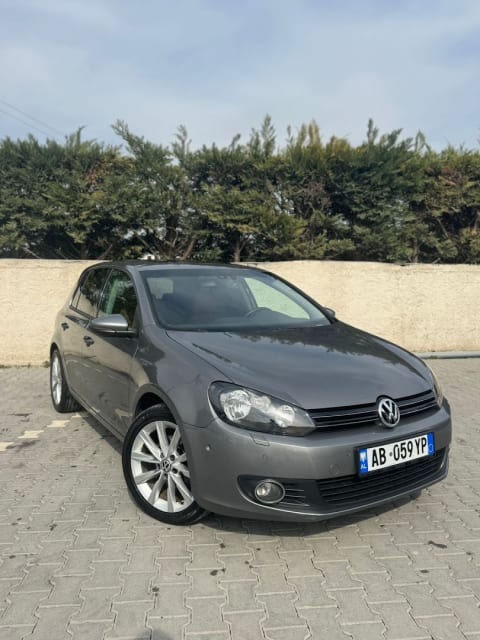
Rent Cars Albania
One of the smaller operators
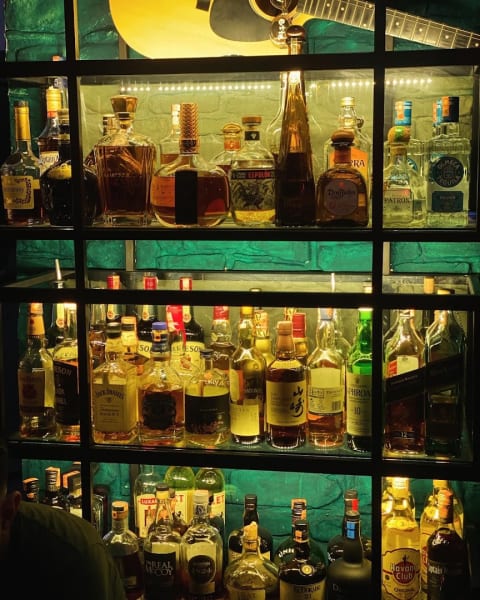
Juliette Cocktail Bar
Comes for the cocktails, stays

Attractions
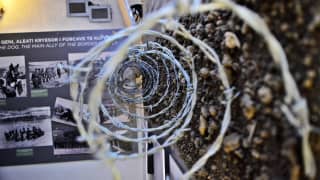
Bunk'Art, the Pyramid & the Dajti cable car

FarmaCity
Cosmetics counter by day, prescriptions
Food & Drink
Eat Like a Local
Order what the country does best: byrek cut from the tray, qofte off the charcoal, tave kosi under its yoghurt crust, fergese in a clay dish, and trilece for pudding. Drink raki, or an Albanian red from Berat.
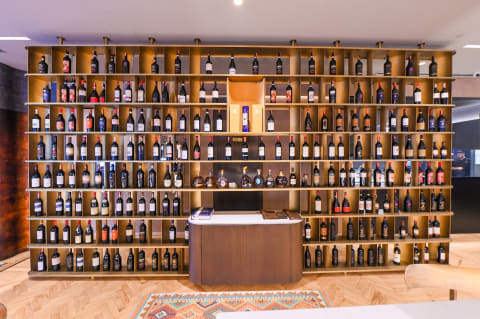
Rossini Restaurant
The rum baba with crème
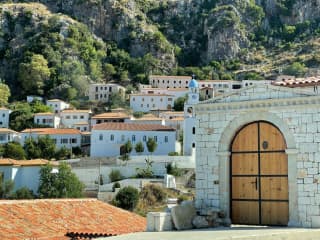


Explore by category
Explore Tirana
From Blloku dining rooms and the Pazari i Ri grills to Bunk'Art, the Grand Park and the Dajti cable car. Every corner of Tirana by category.


Around the city
Around Tirana
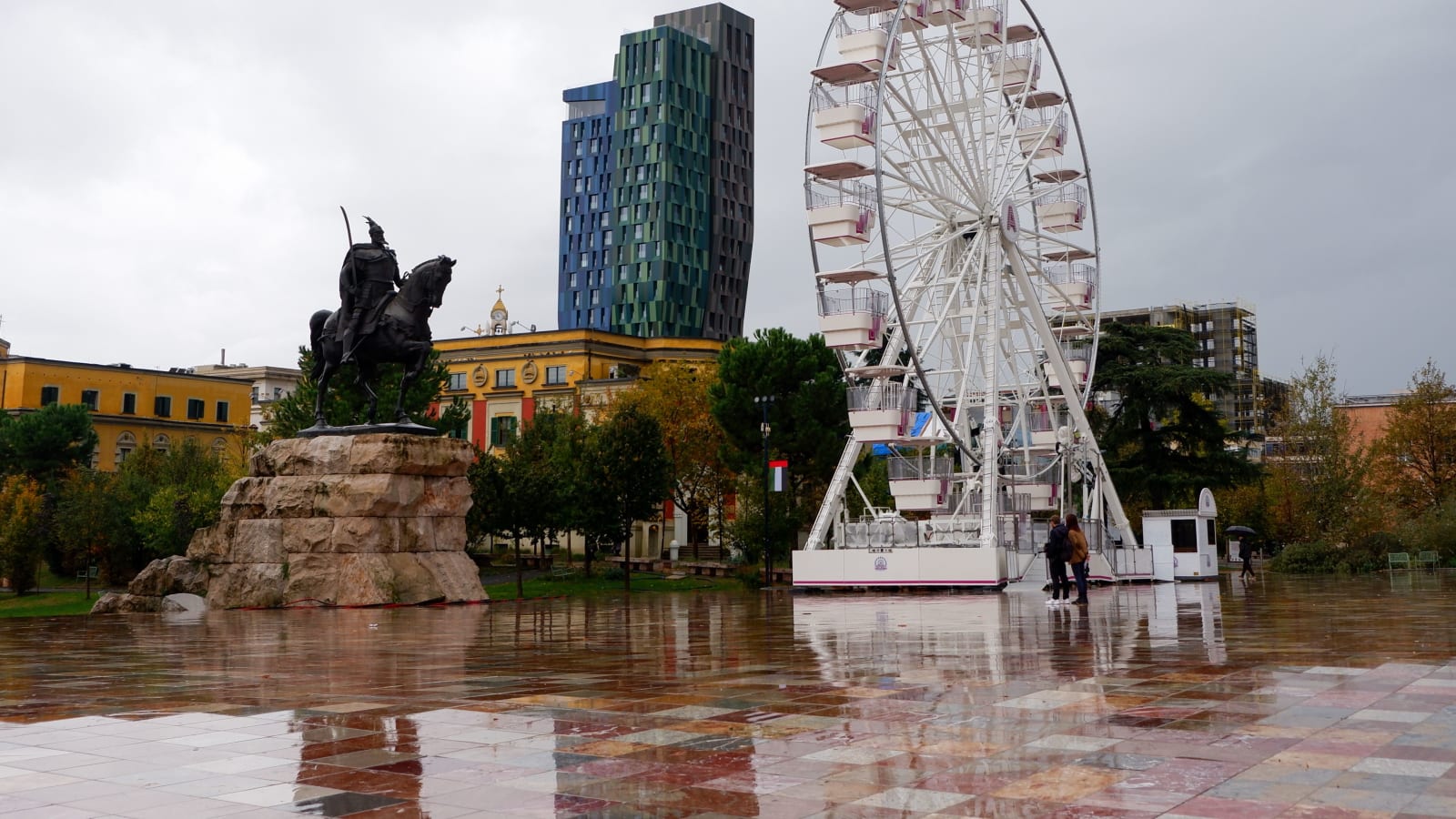
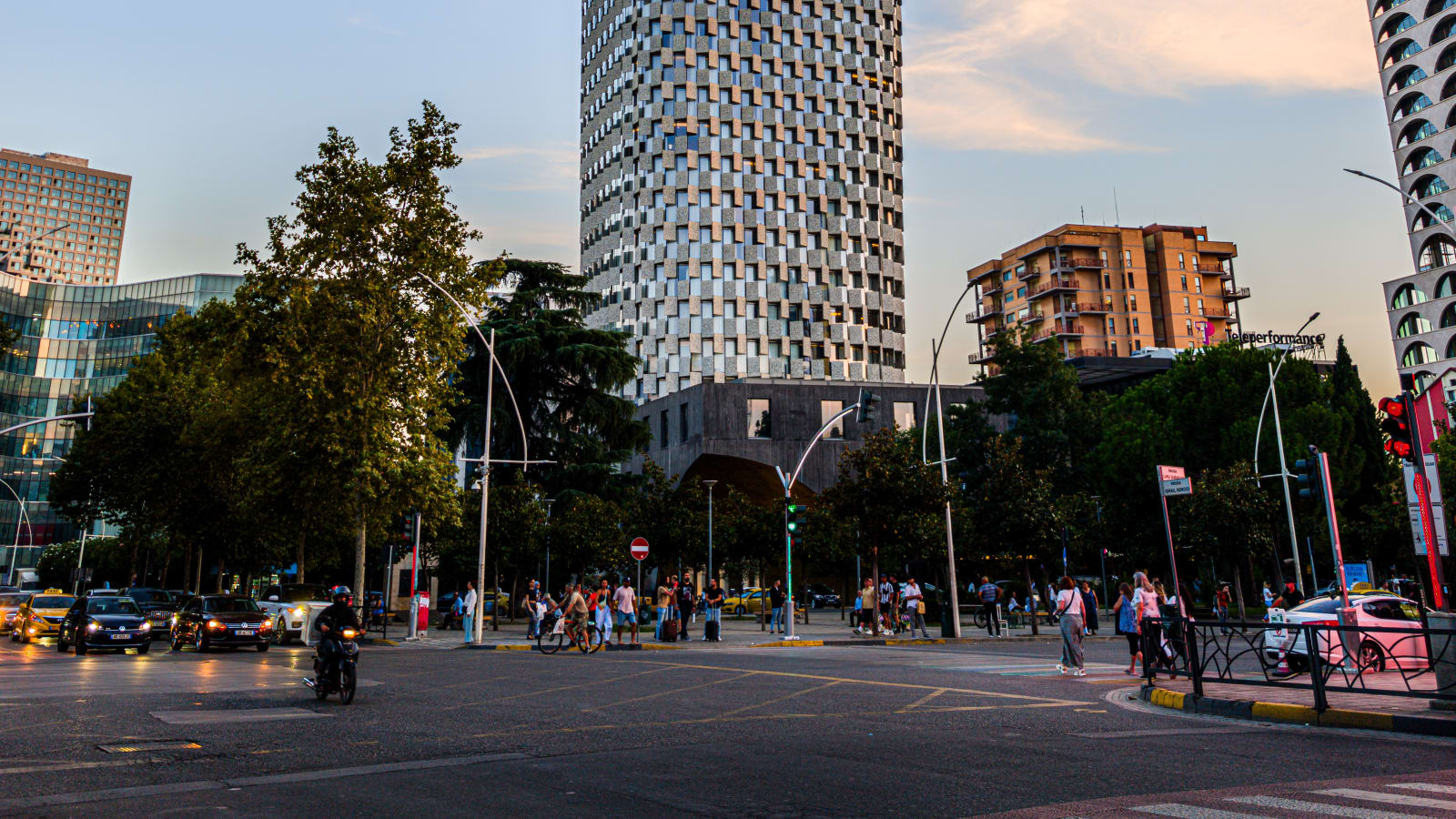
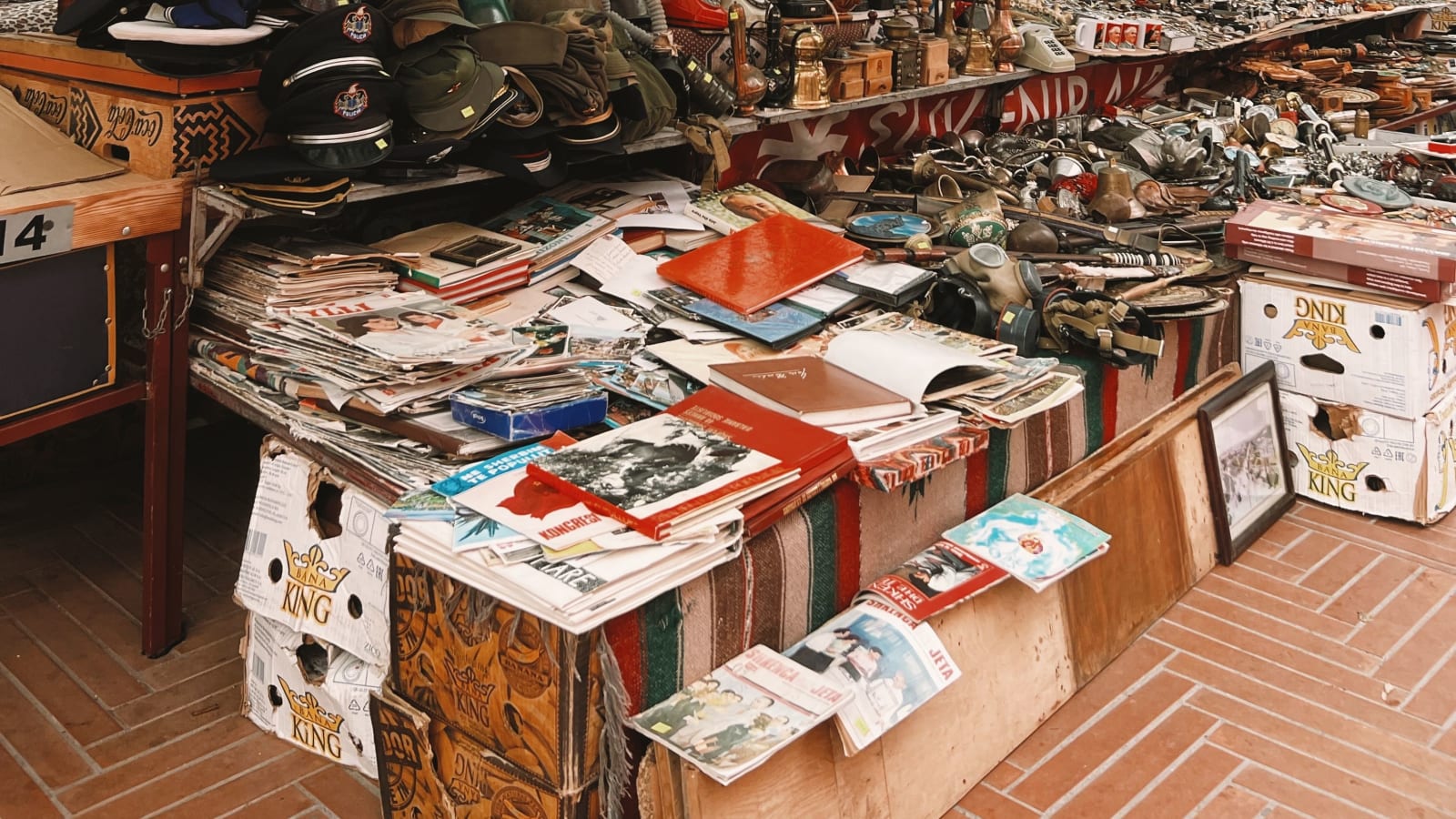
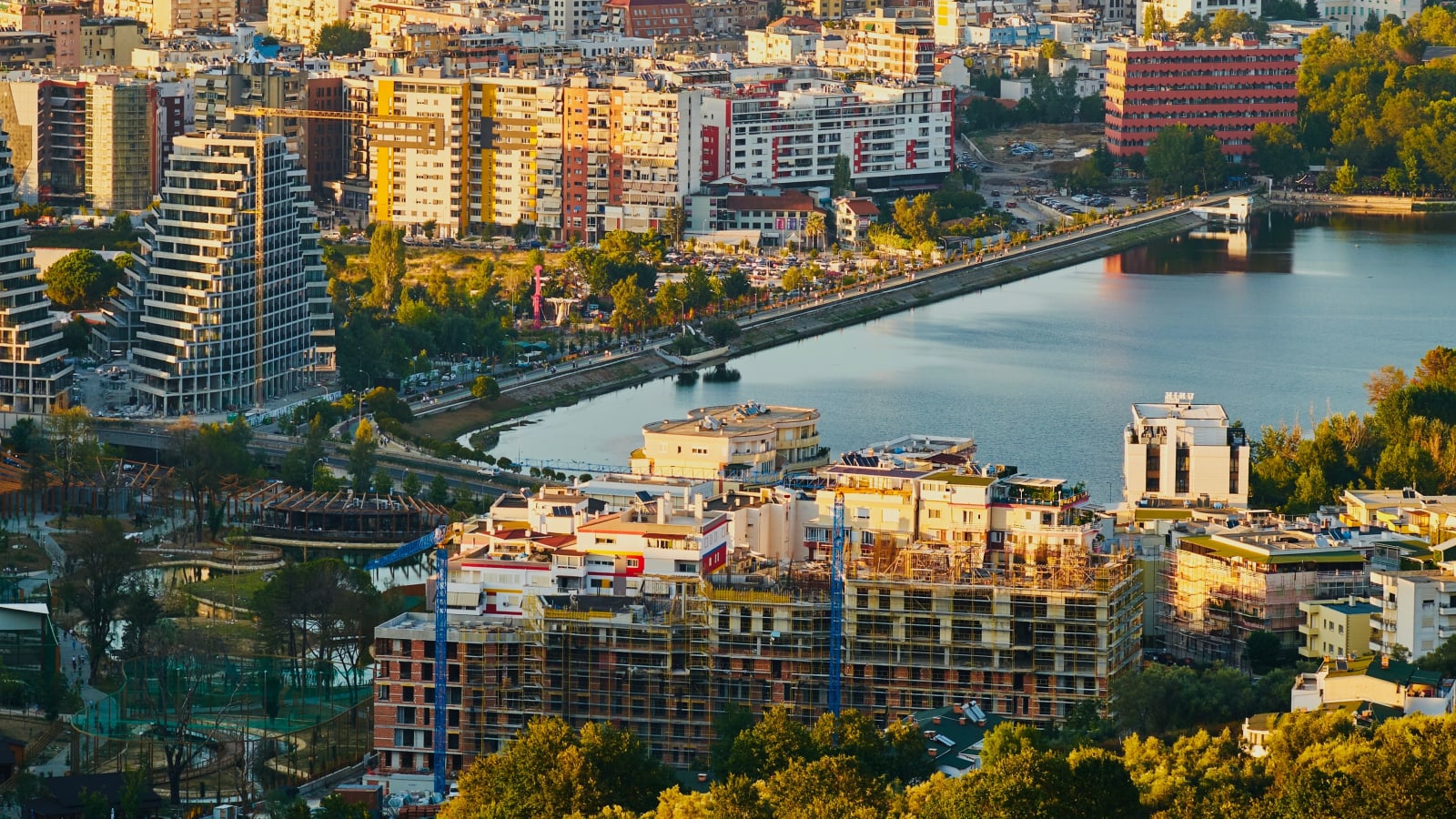
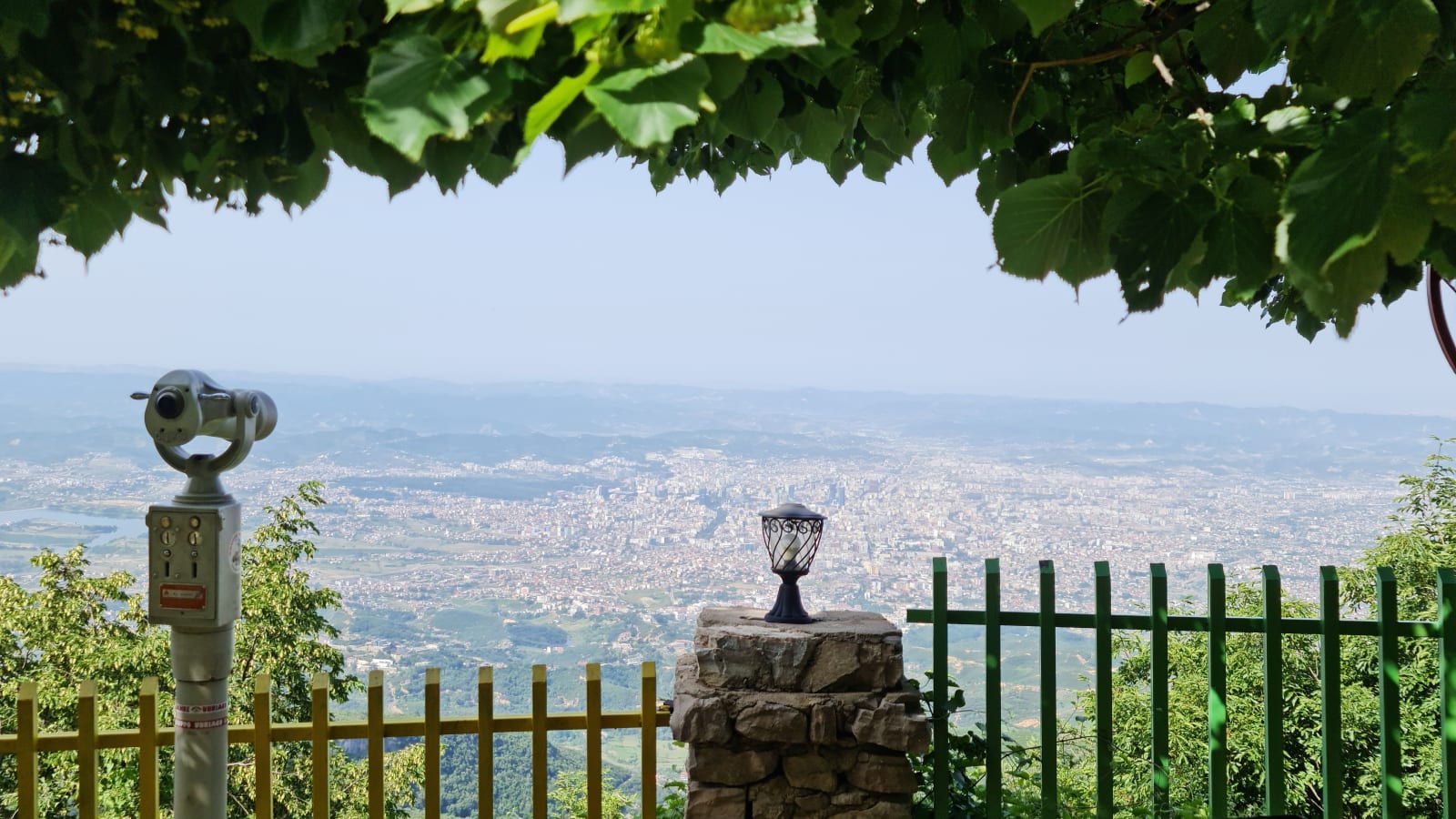
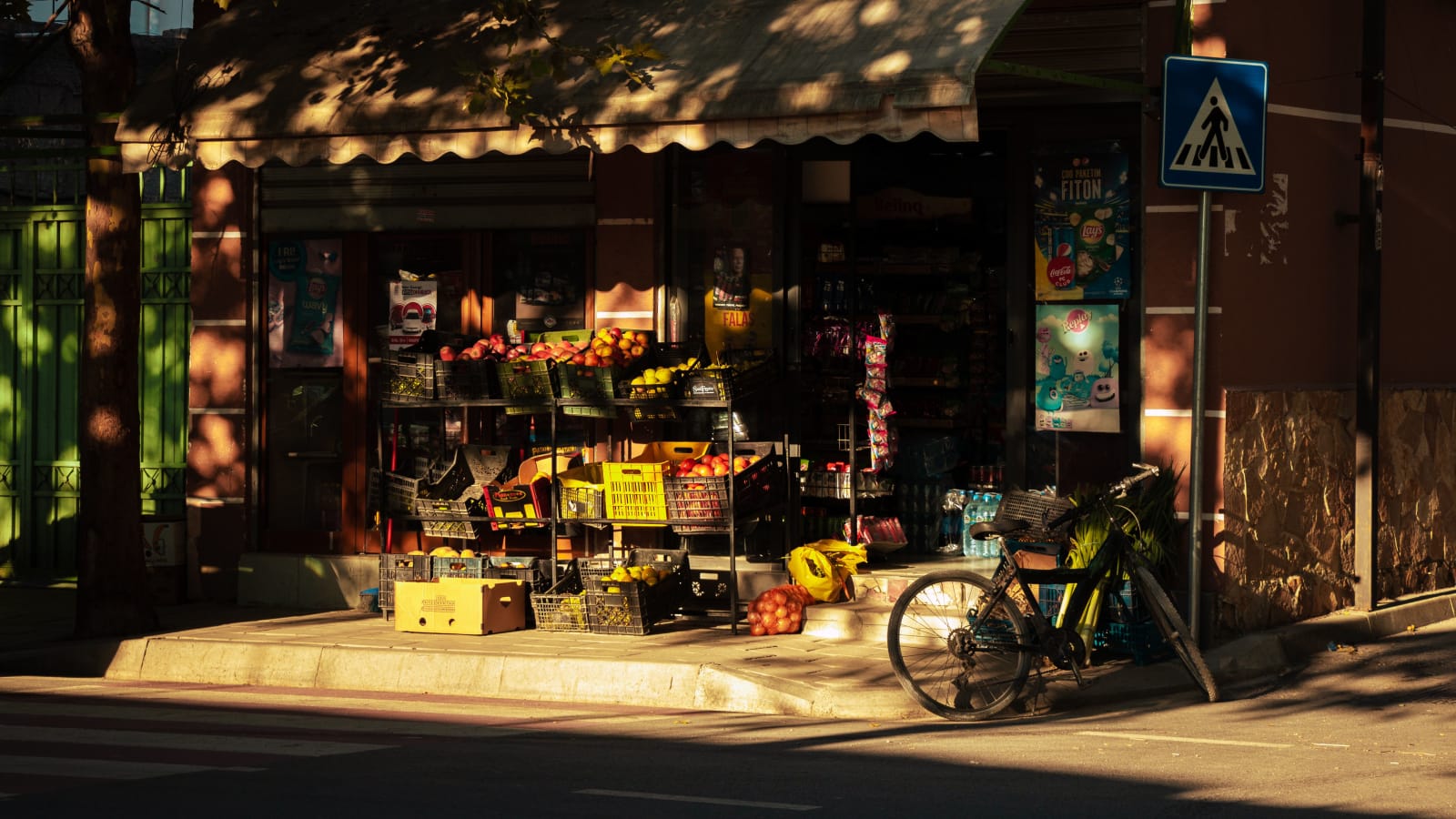
From Skanderbeg Square and Blloku out to Pazari i Ri, the Grand Park, Mount Dajti and the airport at Rinas.
Tours & Tickets
Tours and Day Trips in Tirana
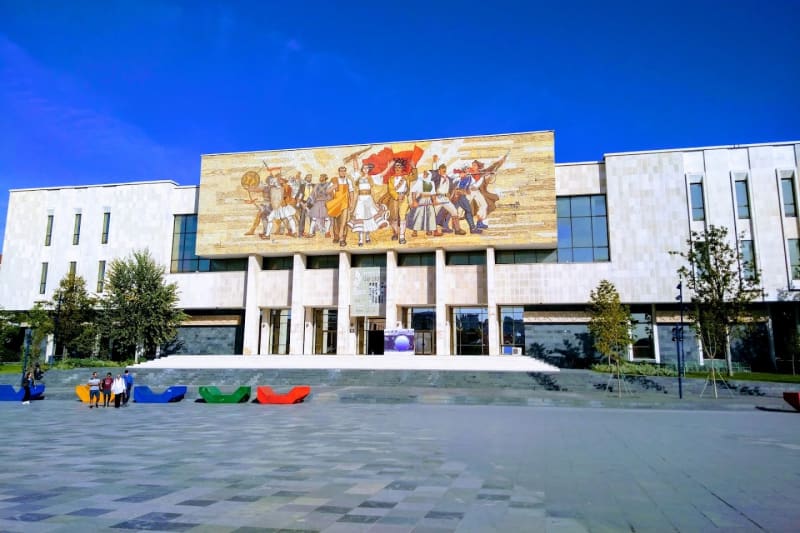
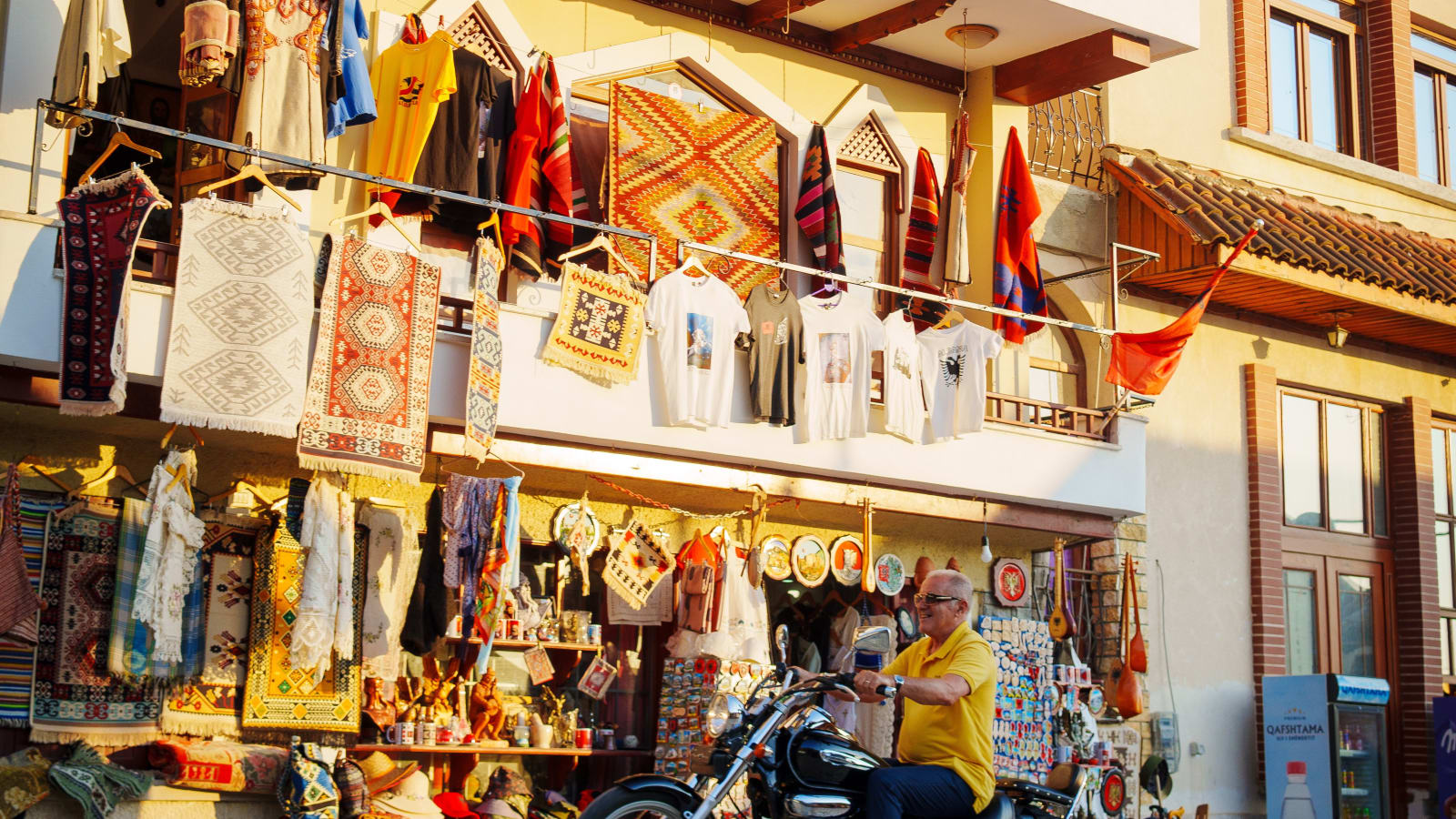
Walking tours, food tours, day trips and skip-the-line tickets around Tirana and the country beyond it, via GetYourGuide.


Day Trips from Tirana
Berat, Kruja, Durres, Shkodra and Mount Dajti, with honest travel times, what each one gives you, and which roads a hire car should not be taken on.
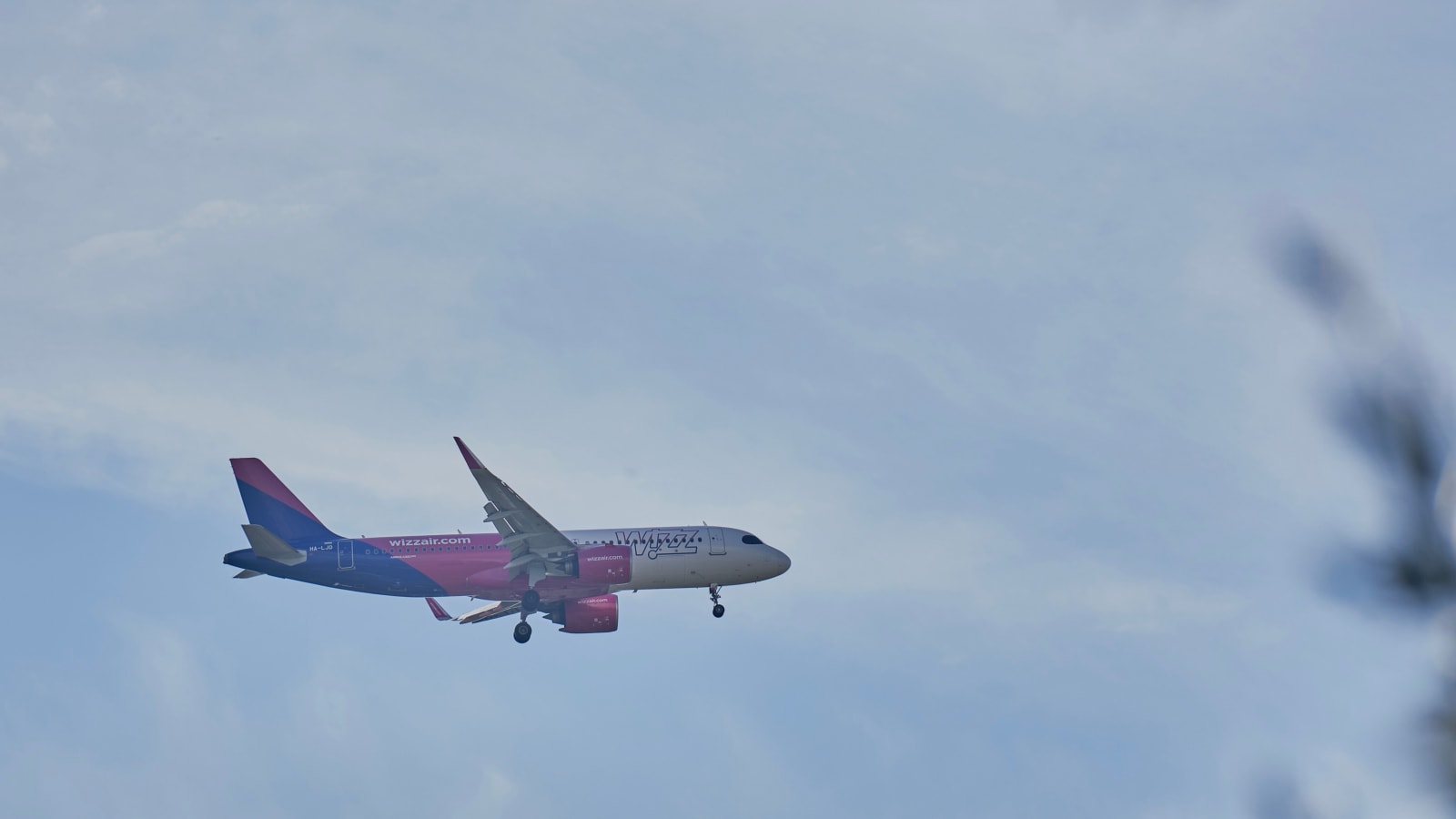
Tirana Airport to the City
Every way into Tirana from Rinas airport: the shuttle bus, taxis, pre-booked transfers and hire cars, with real costs, timings and what to do on a late arrival.
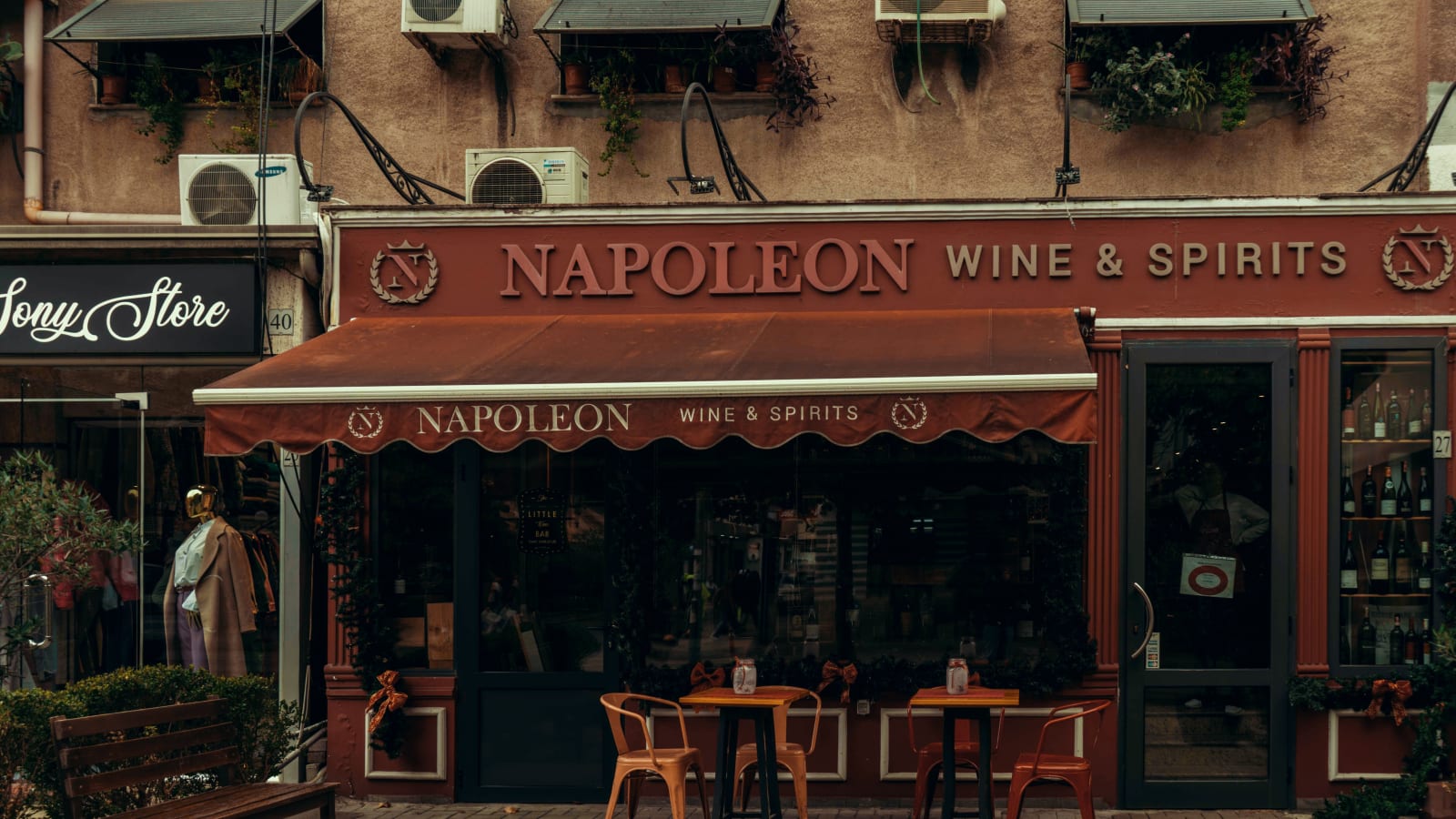
Where to Stay in Tirana
Blloku, the city centre, Pazari i Ri and the quieter quarters compared: what each neighbourhood is like to sleep in, and which one suits the trip you are taking.
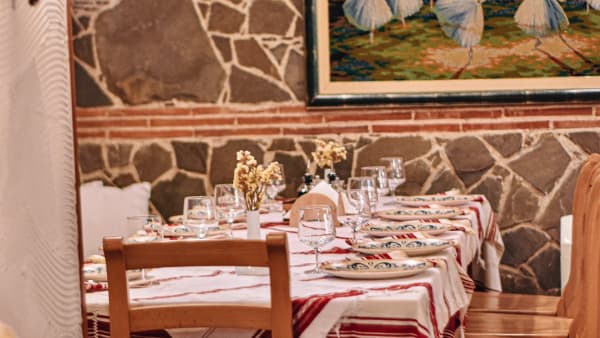
Recently Added in Tirana
The newest businesses to join the directory.

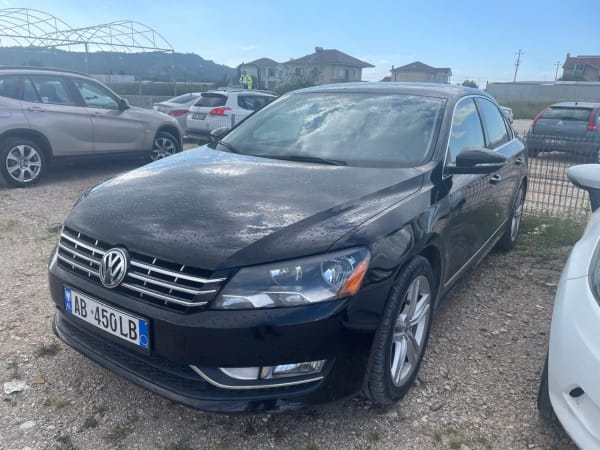
Get out of the city
Albania is a driving country
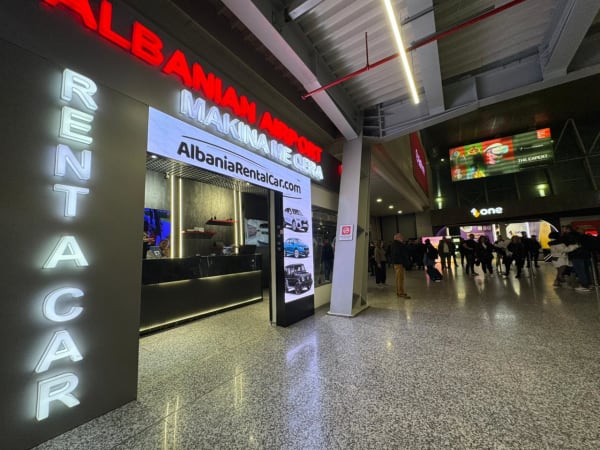
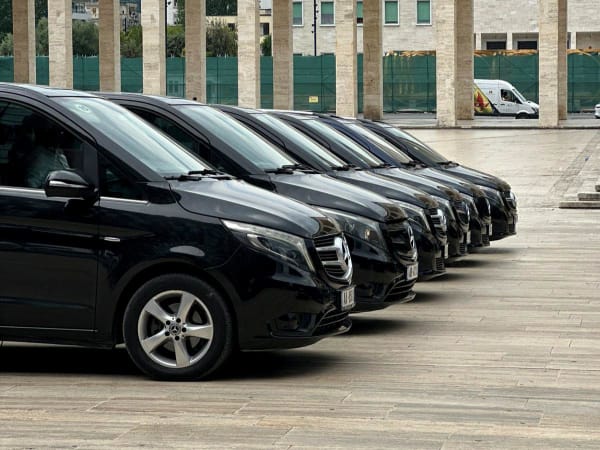
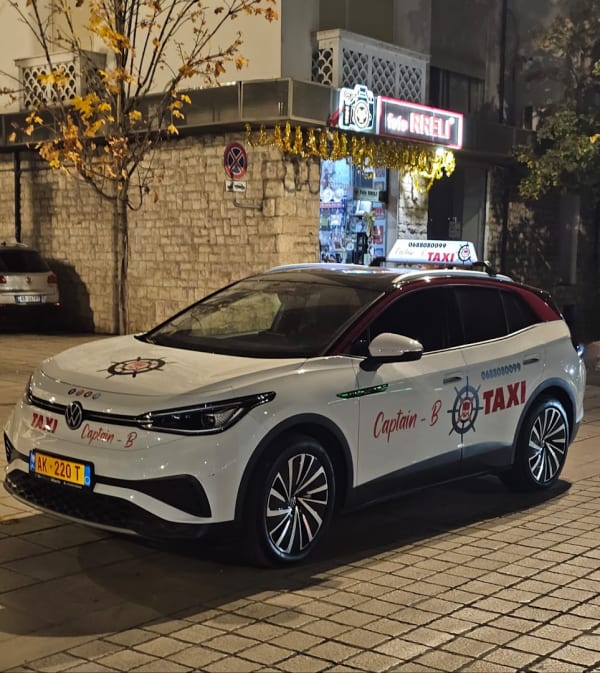
The coast road, the mountain passes and the villages between them sit well beyond the bus timetable. Compare the hire desks working Tirana and the airport, and have it booked in a couple of minutes.
Book a carCommon questions
Common Questions
April to early June and September to October are the best windows: warm enough to sit outside all evening, cool enough to walk the city comfortably. July and August regularly pass 35 degrees on the plain, which is when residents leave for the coast and the mountains. Tirana is a year-round city break rather than a seasonal resort, so nothing shuts in winter.
Two full days covers the city itself: one for Bunk'Art, Skanderbeg Square, the museums and Blloku, and a second for the Grand Park, Pazari i Ri and the Dajti cable car. A third day lets you take one of the day trips out to Kruja or Berat without rushing.
Tirana International Airport is at Rinas, about seventeen kilometres northwest, and the run takes roughly thirty minutes outside the rush. The airport bus runs to the centre through the day at a very low fare. Taxis wait at the rank, and pre-booked transfers meet you in arrivals, which is worth it on the late-night low-cost arrivals.
Not inside the city. The centre, Blloku and Pazari i Ri are all walkable and taxis are cheap for anything further. A hire car earns its keep only once you leave, for Kruja, Durres, Berat or the south. Parking in the centre is paid, scarce around Blloku, and the main reason not to drive in.
Blloku was closed to ordinary Albanians until 1991: guarded checkpoints, the political leadership living inside, and no public access. After the barriers came down it filled with private business faster than anywhere else in Tirana, which is why it now holds the highest concentration of restaurants and bars in the country.
Yes, and it is the easiest half day in the city. The Dajti Ekspres climbs over a thousand metres in about fifteen minutes, with the whole plain below and the Adriatic visible on a clear day. There are restaurants and walking paths at the top. It does not run in high wind, and the lower station needs a taxi from the centre.
April to early June and September to October are the best windows: warm enough to sit outside all evening, cool enough to walk the city comfortably. July and August regularly pass 35 degrees on the plain, which is when residents leave for the coast and the mountains. Tirana is a year-round city break rather than a seasonal resort, so nothing shuts in winter.
Tirana International Airport is at Rinas, about seventeen kilometres northwest, and the run takes roughly thirty minutes outside the rush. The airport bus runs to the centre through the day at a very low fare. Taxis wait at the rank, and pre-booked transfers meet you in arrivals, which is worth it on the late-night low-cost arrivals.
Blloku was closed to ordinary Albanians until 1991: guarded checkpoints, the political leadership living inside, and no public access. After the barriers came down it filled with private business faster than anywhere else in Tirana, which is why it now holds the highest concentration of restaurants and bars in the country.
Two full days covers the city itself: one for Bunk'Art, Skanderbeg Square, the museums and Blloku, and a second for the Grand Park, Pazari i Ri and the Dajti cable car. A third day lets you take one of the day trips out to Kruja or Berat without rushing.
Not inside the city. The centre, Blloku and Pazari i Ri are all walkable and taxis are cheap for anything further. A hire car earns its keep only once you leave, for Kruja, Durres, Berat or the south. Parking in the centre is paid, scarce around Blloku, and the main reason not to drive in.
Yes, and it is the easiest half day in the city. The Dajti Ekspres climbs over a thousand metres in about fifteen minutes, with the whole plain below and the Adriatic visible on a clear day. There are restaurants and walking paths at the top. It does not run in high wind, and the lower station needs a taxi from the centre.